
Turning a Strategic Planning Workshop Into a Plan Your Team Actually Executes
Part 3 of 3 in our series on strategic planning offsites. Part 1 covered why most strategic planning offsites don't change anything, and Part 2 covered how to design the workshop itself. This post covers what happens after the session ends.
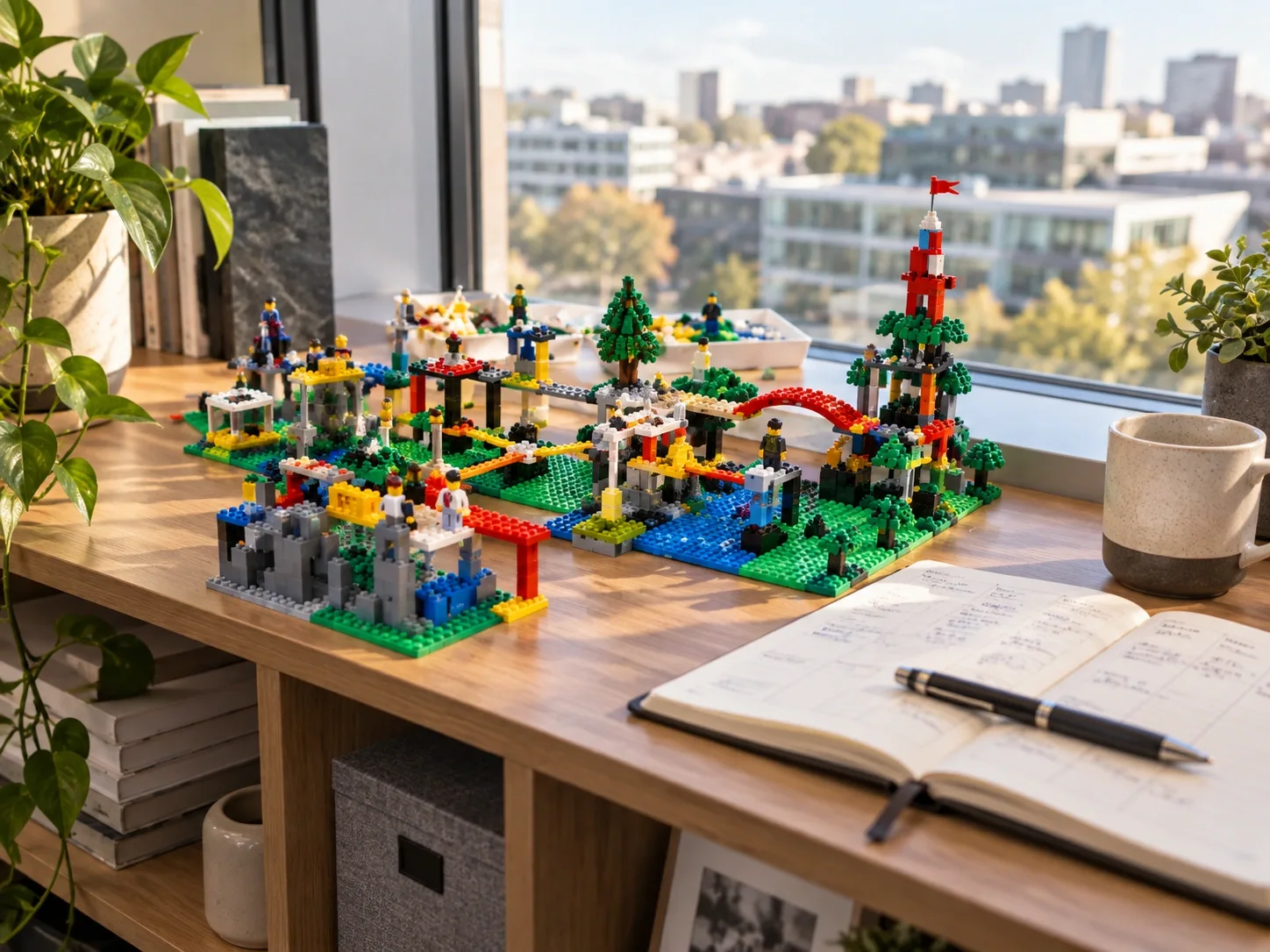
A well-designed workshop, run the way Part 2 of this series describes, ends with a shared model the group actually built together. That's real progress over the deck-and-disperse pattern covered in Part 1. But a shared model sitting in a photo on someone's laptop is still just a better-looking version of the same problem if nothing turns it into an owned, tracked plan.
This post covers the translation step most planning processes skip: turning the shared model into specific initiatives with owners, a check-in cadence set before anyone leaves the room, and a way to catch the plan drifting before the quarter is over.
A shared model from a planning workshop turns into an executed plan when every element of it is translated into a named owner and a specific initiative, a review cadence is set before the session ends, and the model itself gets revisited at each check-in instead of being referenced once and forgotten.
- The shared model from a workshop is the asset worth protecting, not the meeting where it got built.
- Every element of the model needs a named owner before the workshop ends, or ownership tends to default to nobody.
- A plan reviewed on a set cadence catches drift early; a plan reviewed only at quarter-end catches it too late to matter.
The Gap Between a Good Workshop and a Plan That Sticks
It's possible to run an excellent workshop, using the exact sequencing described in Part 2 of this series, and still watch the resulting plan quietly stall. The workshop fixes how the plan gets built. It doesn't automatically fix what happens to that plan across the following twelve weeks, when the group is back to normal meetings and the shared model isn't in the room anymore.
Why the Shared Model Is the Asset, Not the Meeting
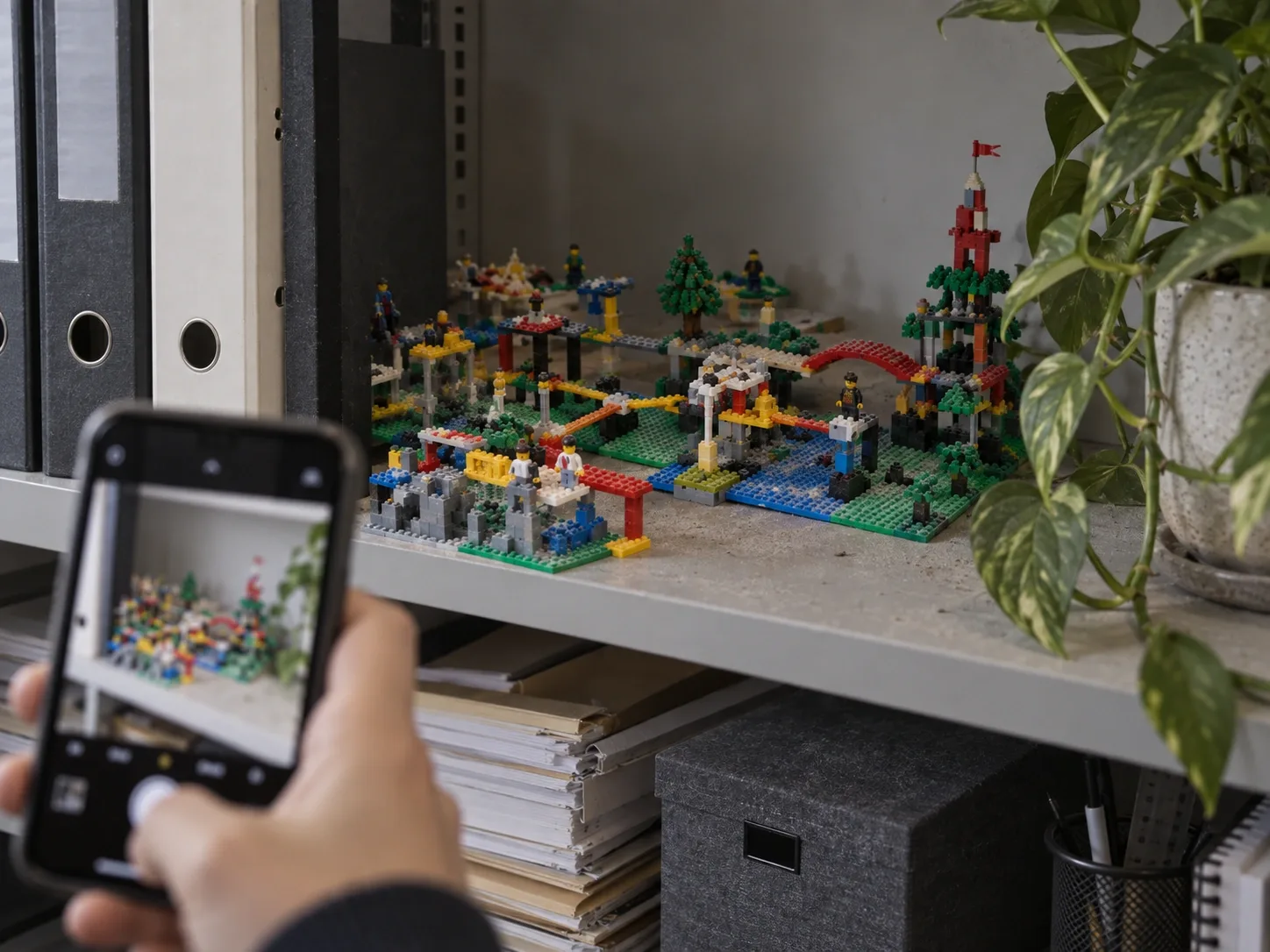
The value of the workshop isn't the two days themselves — it's the artifact those two days produced. A shared model that gets photographed, filed away, and never looked at again has effectively been demoted back into a summary slide, just one with better production values.
A shared model is only as valuable as the number of times the team actually looks back at it after the workshop ends.
Signs a plan built from a good workshop is at risk of stalling anyway:
- No one owns translating the shared model into calendar time, budget, or specific initiatives
- The model itself never gets referenced again after the workshop wrap-up
- Check-ins on the plan get quietly dropped from the calendar within the first month
- Owners assigned during the workshop were never actually confirmed as available or willing to own the work
| What Happens After | Discussion-Only Offsite (Part 1 of this series) | Workshop With a Translation Step |
|---|---|---|
| The output itself | A deck, often unopened after the first week | A shared model, referenced at each check-in |
| Ownership | Implied, rarely named explicitly | Named per initiative before the session ends |
| Review | Ad hoc, often only at the next offsite | Set cadence, agreed before the group leaves the room |
Turning the Model Into an Execution Plan
The translation step is mechanical, not mysterious — but it has to happen deliberately, ideally before the workshop itself ends, rather than being left to whoever writes the follow-up email.
What the Translation Step Actually Involves
Each distinct element of the shared model becomes a specific initiative: a name, a description of what "done" looks like, a named owner, and a rough timeline. Elements that can't be turned into something specific and owned are usually a sign the shared model itself needs more work, not a gap to paper over in the follow-up notes.
If an element of the shared model can't be turned into a name, an owner, and a timeline, it probably isn't specific enough yet to act on.
Steps to Convert the Shared Model Into a Working Plan
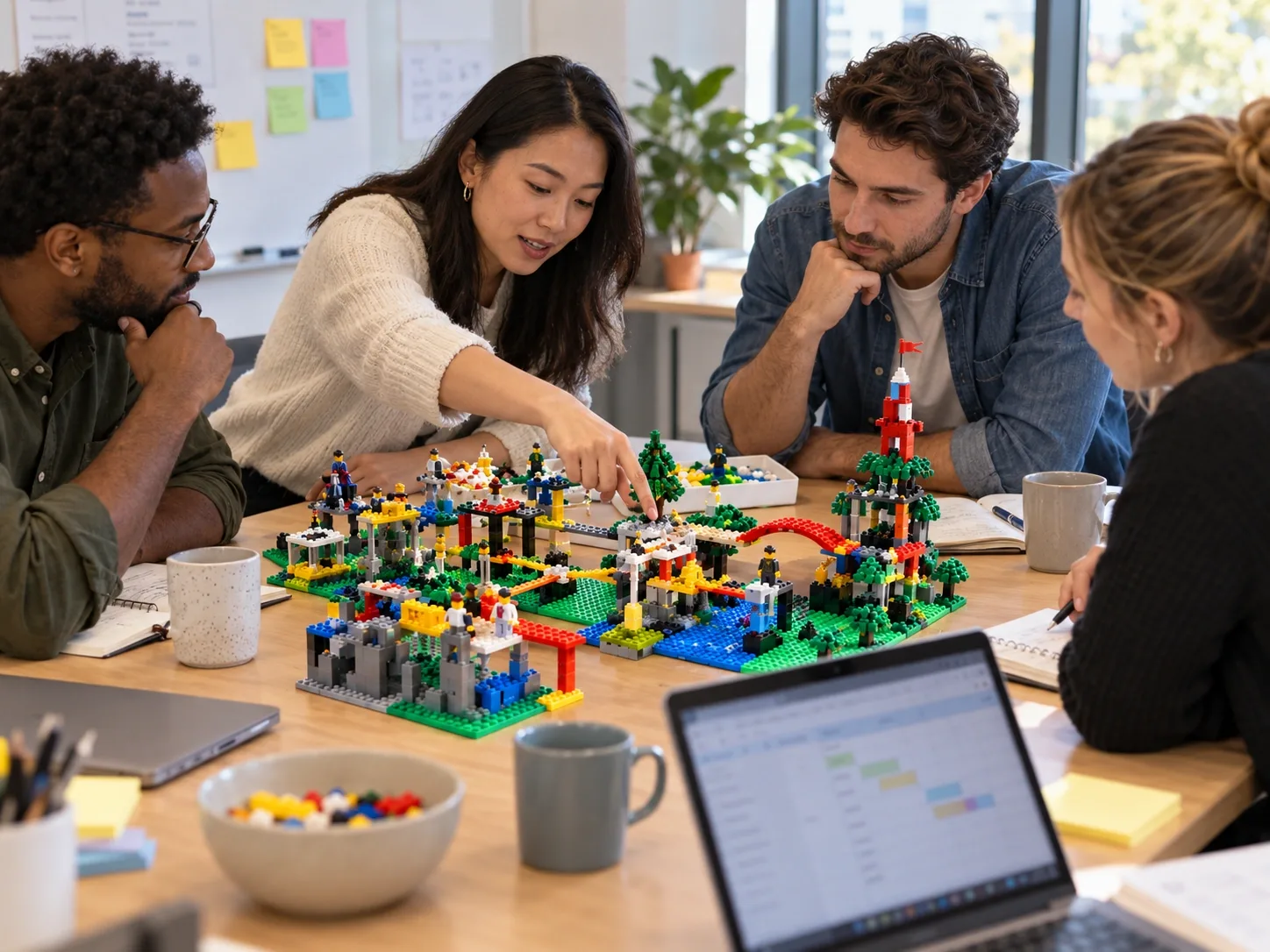
The steps below are typically worked through in the final stretch of the workshop itself, before the group disperses, so ownership and cadence are set while everyone is still in the room.
Map Model Elements to Initiatives
The group goes through the shared model piece by piece and names the specific initiative each element represents, in language specific enough that someone outside the room would understand it.
Assign Named Owners
Every initiative gets a named owner, confirmed in the room rather than assumed afterward. An initiative without a confirmed, willing owner is flagged rather than left ambiguous.
Set a Review Cadence
The group agrees on a specific cadence, such as monthly or quarterly, for revisiting the shared model and checking progress against it. This gets calendared before the session ends, not left for someone to schedule later.
Document the Model and the Plan Together
The shared model gets photographed and documented alongside the initiative list, owners, and cadence, so the two live together as one reference rather than as a photo and a separate spreadsheet that drift apart.
Revisit the Model at Each Check-In
Each check-in returns to the actual shared model, not just a status spreadsheet, to ask whether the plan still reflects what the group agreed to and where it's drifted.
Keeping the Plan Alive Through the Quarter
The plan's biggest risk period isn't the workshop or the week after — it's weeks four through ten, once the workshop's momentum has faded and the team is back in its normal rhythm. A plan that's going to stall usually shows early signs well before anyone calls it out directly. Keeping momentum alive is ultimately a leadership responsibility as much as a process one — the plan tends to stall fastest once leaders stop actively referencing it themselves.
Early Signs a Plan Is Losing Momentum
- An owner has gone quiet on their initiative and no one has followed up directly
- The shared model hasn't come up in a team conversation in several weeks
- Check-ins have quietly turned into status updates instead of honest reviews against the model
- New priorities are absorbing time without anyone deciding to deprioritize something from the shared model
If these signs show up, some teams bring in LEGO® Serious Play® coaching for the specific initiative owners rather than restarting the whole planning process from scratch.
The Series in One Place
Taken together, this series covers the full arc of a planning cycle: why the standard discussion-only offsite format works against the alignment it's meant to produce, how a LEGO® Serious Play® workshop is designed to fix that, and how to carry the resulting shared model through to an executed plan, which is what this post has covered. If you're building this capability internally rather than bringing in outside help, our facilitator training programs are a good next stop. Related reading on the method itself is available in our overview of LEGO® Serious Play® for strategy work.
Get Help Turning Your Next Planning Session Into a Plan That Sticks
Whether you need the workshop itself designed, or just the translation step to turn an existing shared model into an owned execution plan, we can help with either.
To understand the full methodology behind the workshop design described in this series, read our full explanation of how the LEGO® Serious Play® method works.
Frequently asked questions
Why do plans from a good planning workshop still sometimes stall?
A strong workshop produces a shared model, but the model still has to be translated into owned commitments, calendared check-ins, and a way to catch drift early. Skipping that translation step is the most common reason a good session doesn't turn into a followed plan.
How do you turn a shared LEGO® Serious Play® model into an execution plan?
Each element of the shared model gets translated into a specific initiative with a named owner, a review cadence gets set before the group leaves the room, and the model itself is documented and revisited at each check-in rather than only referenced once.
How often should a team revisit the shared model after the workshop?
A regular cadence set during the workshop itself, such as a monthly or quarterly check-in, works better than an ad hoc review. The point of revisiting the model is to catch drift early, not to wait for a formal end-of-quarter review to notice the plan has stalled.
What are the early signs a plan from a planning workshop is losing momentum?
Owners going quiet on their commitments, the shared model no longer coming up in regular team conversation, and check-ins turning into status updates instead of real reviews are all early signs the plan is drifting before it visibly fails.
Do I need to run all three parts of this process — the offsite critique, the workshop, and the execution plan?
The three build on each other but aren't strictly sequential requirements for every team. A team that already runs a well-structured planning workshop may only need help with the execution step covered here, while a team just starting to rethink its offsite format may want to start with what a discussion-only format gets wrong.
What's the single biggest difference between a plan that sticks and one that doesn't?
Ownership the team can point back to. A plan built and owned by the people responsible for it tends to survive the quarter; a plan handed down as a finished document tends to fade once the offsite excitement wears off.