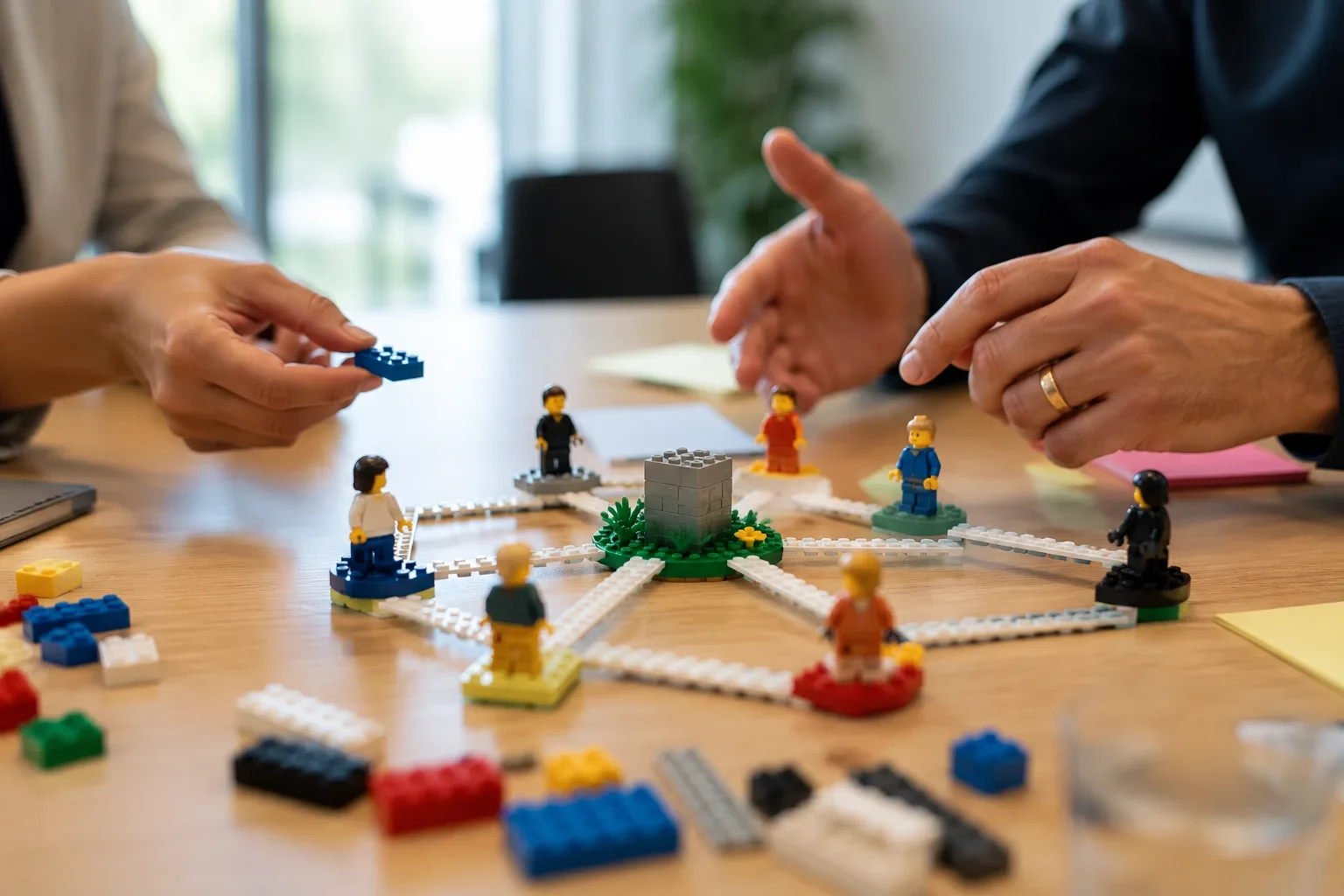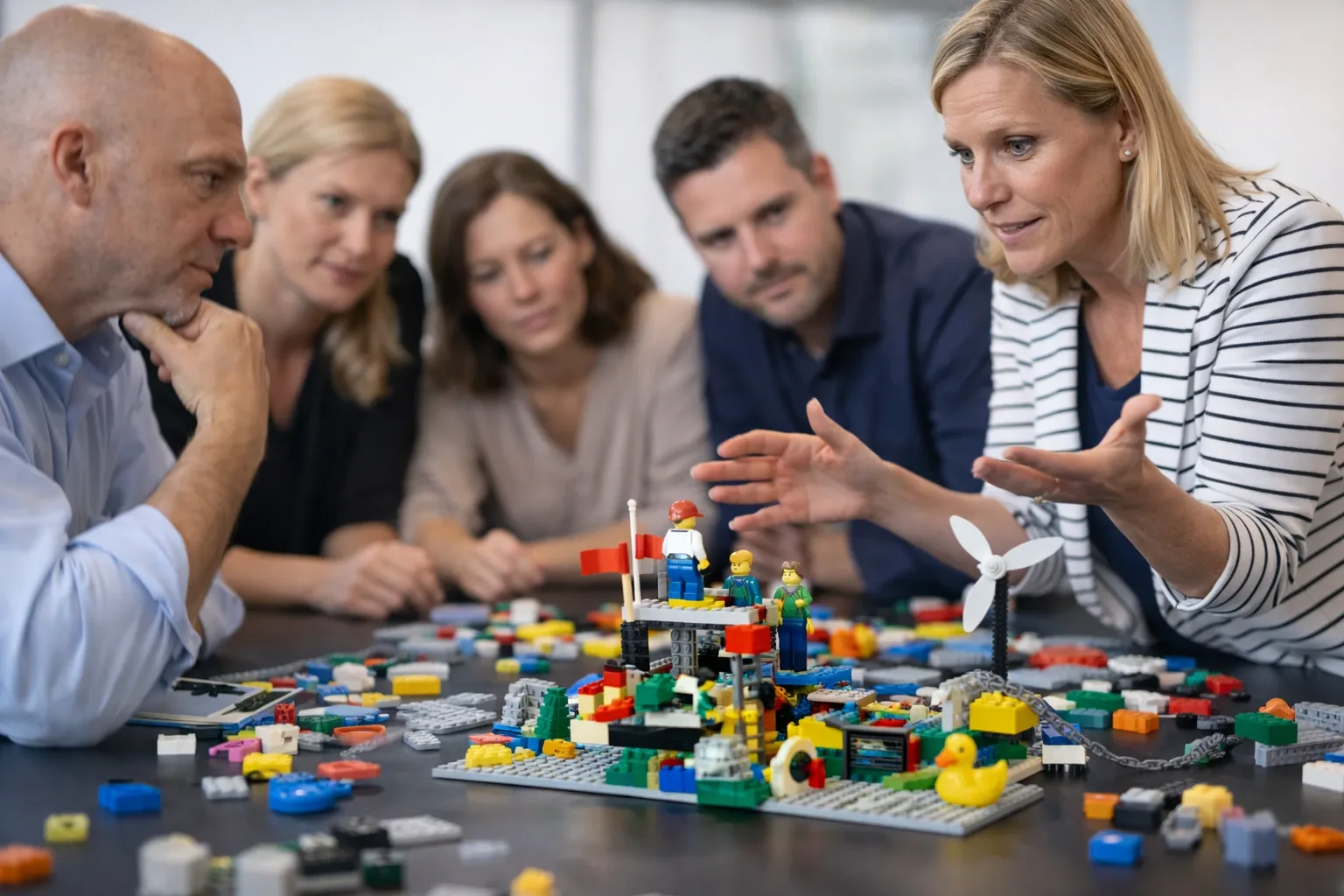
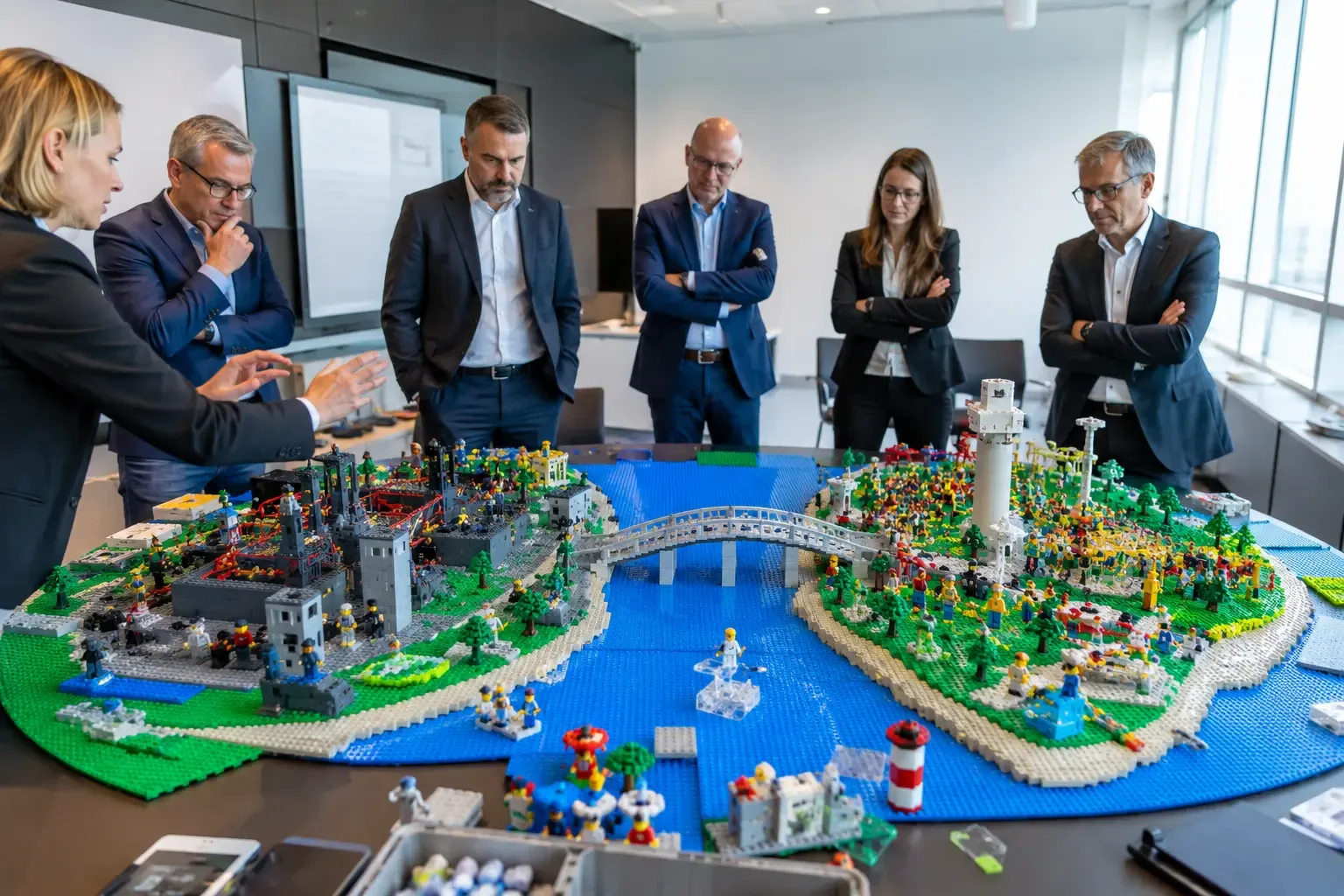
Change Management Workshops Using LEGO® SERIOUS PLAY®
Change management is the structured process organizations use to transition people, processes, and systems from a current state to a desired future state.
Read more →Practical thinking on the LEGO® Serious Play® method, facilitation and building better teams.
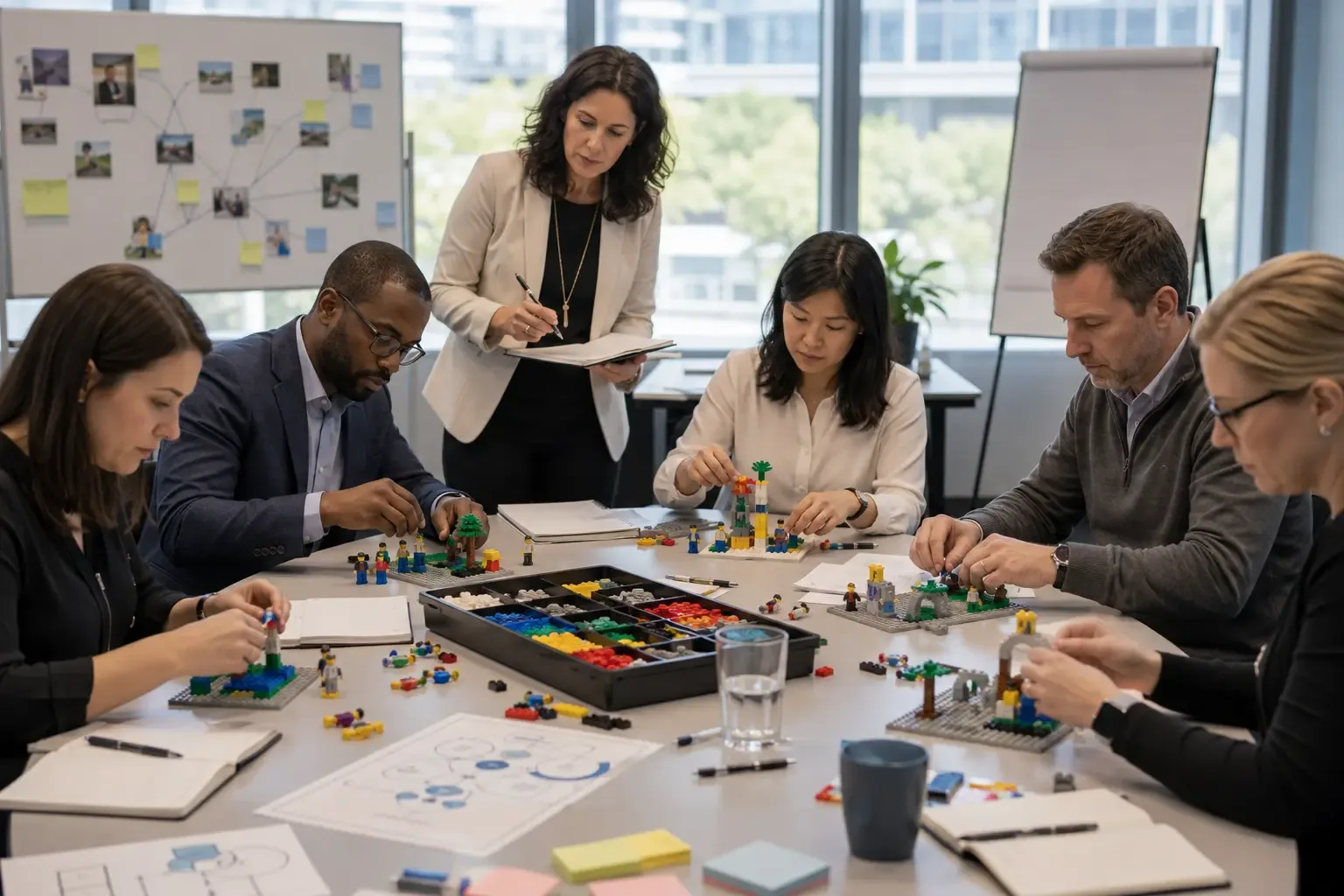
Change management is the structured process organizations use to transition people, processes, and systems from a current state to a desired future state.
Read more →
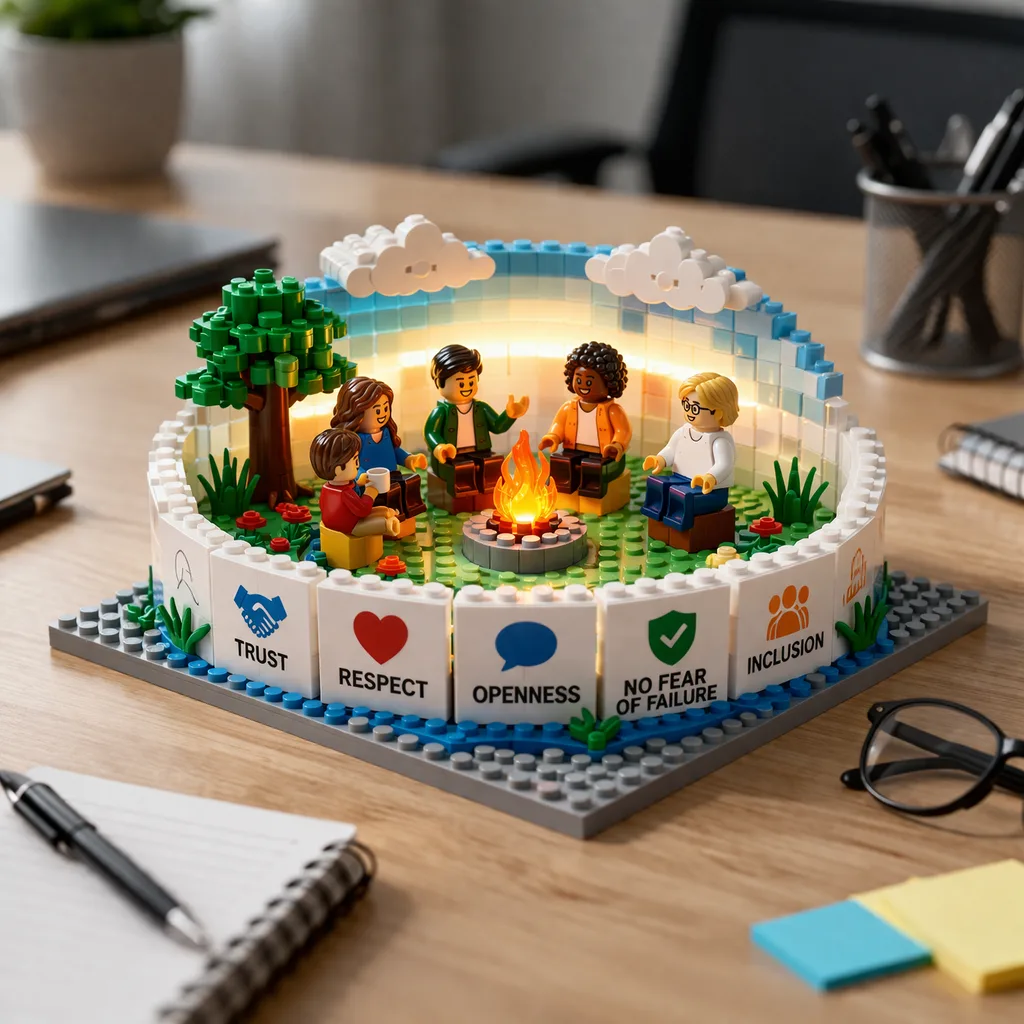
Organizations increasingly rely on facilitated dialogue to solve alignment, innovation, and leadership challenges.
Read more →
AI strategy alignment is the process of creating shared understanding among leaders about how artificial intelligence will influence priorities, operations, capabilities, and competitive advantage.
Read more →
Global Awards Announcement Serious Play Business Announces Winners of the First Global LEGO® Serious Play® Facilitation Excellence Awards Recognizing exceptional facilitators applying the LEGO®
Read more →
Many organizations appear aligned during meetings while operating in completely different directions afterward.
Read more →
LEGO® SERIOUS PLAY® certification helps organizations build internal facilitation capability that improves alignment, communication, innovation, and strategic decision-making.
Read more →
Organizational alignment workshops help leadership teams create shared understanding around priorities, decisions, and execution.
Read more →
LEGO® SERIOUS PLAY® vs traditional brainstorming is no longer simply a question of workshop preference.
Read more →
Strategic misunderstandings slow organizational execution because teams frequently interpret the same goals in different ways.
Read more →
Silent resistance in change occurs when employees appear to support a transformation while privately withholding concerns, doubts, or practical objections.
Read more →
Organizational alignment workshops serve as highly structured sessions.
Read more →
Human-centered leadership evolution marks a necessary shift from authority-based management. Instead, it moves toward systems-driven, participation-based approaches.
Read more →